Texans’ Depth Chart Reveals Rookie Keylan Rutledge Beat Out Jake Andrews at Center

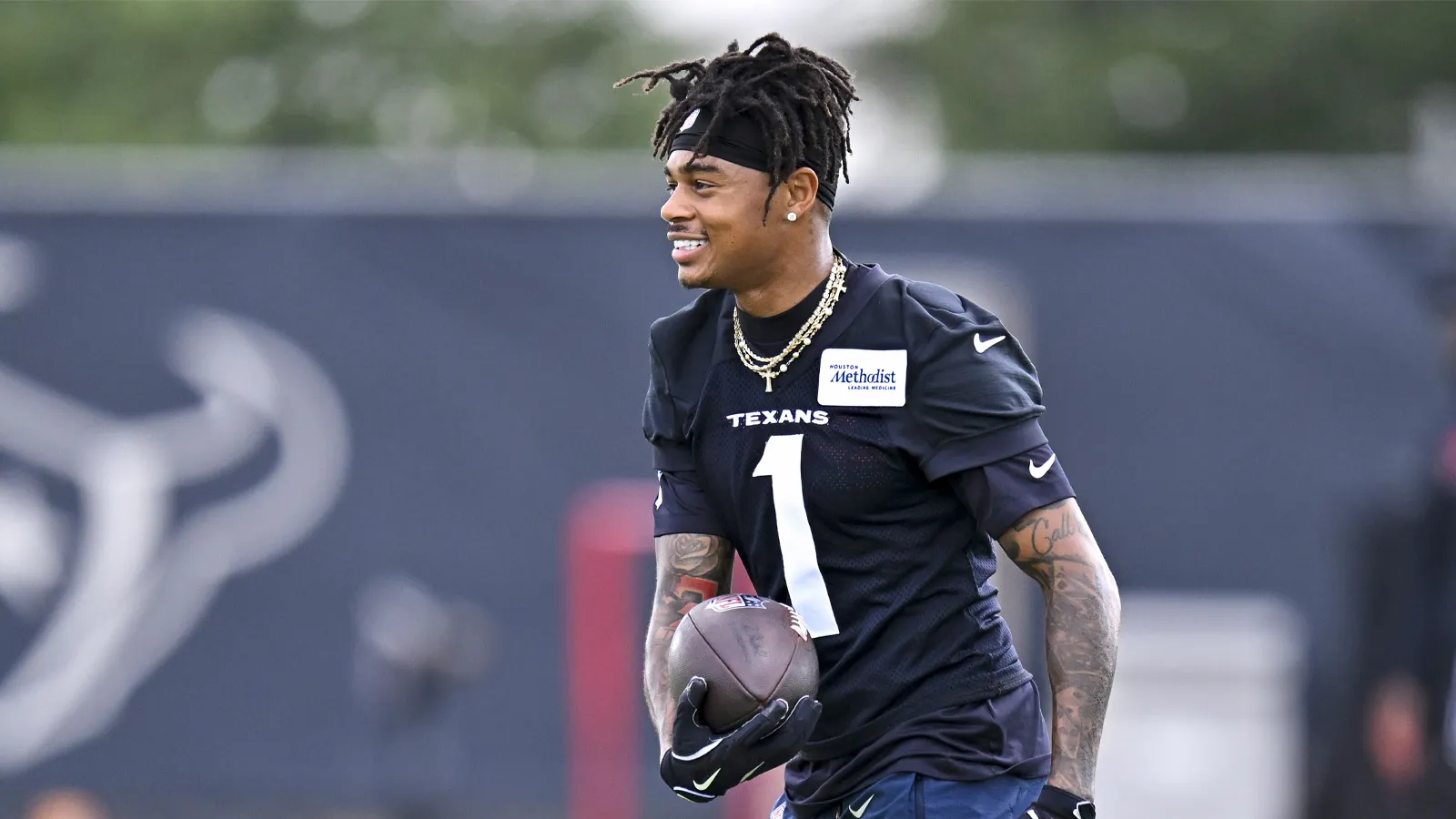
Jake Andrews started every game for Houston last season. That didn’t matter once the Texans got a look at what they drafted.
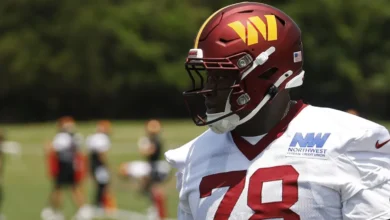
Houston’s unofficial depth chart, posted by KPRC 2’s Aaron Wilson on X, lists rookie first-round pick Keylan Rutledge as the starting center — ahead of Andrews, the incumbent who took every offensive snap at the position in 2025. It’s the clearest signal yet that Houston’s plan to move Rutledge off guard, the position he played at Georgia Tech, has worked faster than anyone reasonably expected.
Rutledge’s Rise Says Something About This Offensive Line
Rutledge never played center in college. Houston traded up to grab him 26th overall this spring specifically to remake the interior of the line, then handed him a new position on day one. That’s not a small ask — center demands protection calls, presnap communication, and processing speed that guard doesn’t require in the same way. A rookie beating out a full-time starter there, in his first training camp, at a position he’s never played, is a bigger deal than the one-line depth chart entry makes it look.
It also isn’t final. Nothing on an August depth chart is. But it tells you the Texans are comfortable enough with what they’ve seen in camp to let the kid take first-team reps over a guy who started 16 games and the playoffs a year ago. That’s a vote of confidence, not a placeholder.
Not everything on the line is settled. Trent Brown and Braden Smith are listed together at right tackle, which means that battle is still open heading into preseason games — and how that shakes out matters more for pass protection than most fans watching the receiver room will realize.
Stroud Has the Weapons — Now It’s On Him
The receiver room is where Houston’s actual ceiling lives. Nico Collins, Jayden Higgins and Xavier Hutchinson are the starters, which pushes Tank Dell and Jaylin Noel into complementary roles rather than featured ones. Dell missed all of 2025 after a serious knee injury, and getting him back on the field at all — regardless of snap count — is the more relevant story than where he lines up on a chart in August.
C.J. Stroud is the one who has to make all of it matter. His rookie year is still one of the best any quarterback has produced in his first season — he led the NFL in both passing yards per game and touchdown-to-interception ratio in 2023, a combination only Tom Brady (2007) and Joe Montana (1989) had managed before him. Houston hasn’t gotten that version of him consistently since. If there’s a season where the excuses run out, it’s this one: he has three credible starting receivers, a healthy-ish Dell in reserve, and now a real answer at running back.
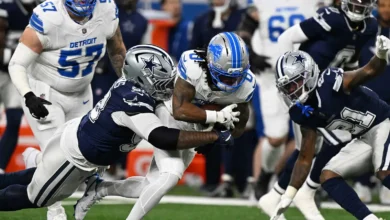
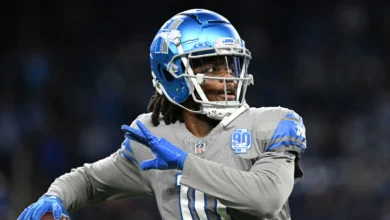
That answer is David Montgomery, whom Houston acquired from Detroit in March for offensive lineman Juice Scruggs and two draft picks, according to ESPN. Montgomery spent three years splitting Detroit’s backfield with Jahmyr Gibbs in one of the more productive running back tandems the league has seen recently. He won’t have to split anything in Houston — he’s the lead back, and the Texans built this offense with the idea that a real ground game takes pressure off Stroud instead of forcing him to be the whole show.
My read here: the receiver hierarchy is somewhat besides the point. Houston’s ceiling this year is tied to whether that offensive line — with a rookie center and an unresolved right tackle battle — can hold up long enough for the skill talent to matter. Everything else on this roster is good enough to win a lot of football games. The line is the variable.
What’s Confirmed, What Isn’t
The depth chart itself is unofficial, which Houston’s own reporting corps has been careful to note — these lists shift constantly through camp and preseason games before anything becomes final for Week 1. Rutledge starting over Andrews is well-sourced and consistent across multiple camp reports. The right tackle competition between Brown and Smith remains genuinely unresolved.
Houston opens preseason play soon, which will be the first real look at whether this line configuration holds up against someone other than its own defense.