Former Cowboys Defensive End Marshawn Kneeland Posthumously Diagnosed With Stage 1 CTE

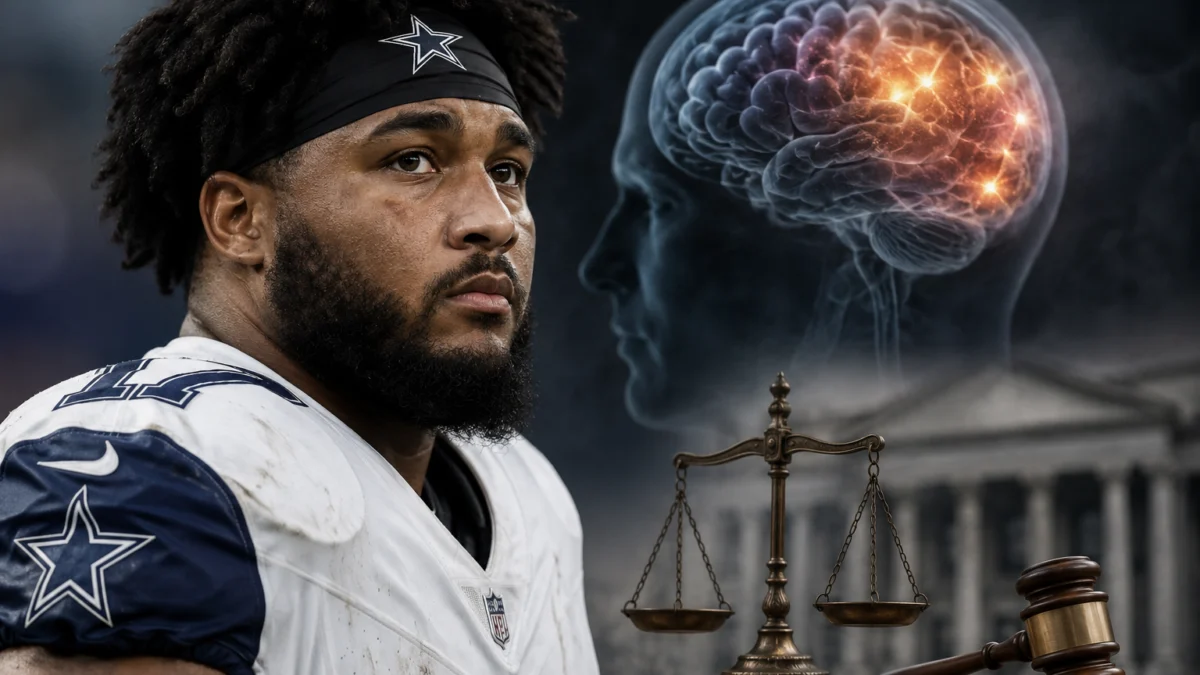
The family of former Dallas Cowboys defensive end Marshawn Kneeland announced Tuesday that Boston University CTE Center researchers diagnosed him with Stage 1 chronic traumatic encephalopathy.
Kneeland died by suicide in November 2025 at age 24 following a high-speed police pursuit and vehicle crash. The posthumous finding marks the latest medical data point in ongoing conversations about brain health for NFL players and other athletes in high-contact sports.
Medical Findings Point to Early-Stage Disease
Researchers determined Kneeland had Stage 1 CTE, the mildest of four stages. The degenerative brain disease stems from repeated head trauma and can only be confirmed after death through brain tissue analysis.
Dr. Ann McKee, director of the Boston University CTE Center and chief of neuropathology for the VA Boston Healthcare System, addressed the result directly. “Unfortunately, I was not surprised to find CTE in the brain of Mr. Kneeland, because we have found this progressive brain disease in nearly half of the athletes we’ve studied who have died before the age of 30,” McKee said in a statement released with the family announcement.
The Concussion and CTE Foundation shared the press release on behalf of the family. Boston University researchers noted that suicide remains complex and multifactorial. A post-mortem CTE diagnosis should not be viewed as the direct cause of suicide.
Kneeland’s Path From Peewee Football to the NFL
Kneeland began playing tackle football at age seven. He developed into a standout at Western Michigan, where he recorded 149 tackles and 12.5 sacks over his college career. The Cowboys selected him in the second round of the 2024 NFL Draft, 56th overall.
In his two professional seasons, Kneeland appeared in 18 games and tallied 26 tackles, one sack and one fumble recovery. He was still early in his career when he died.
Family Shares Diagnosis to Promote Awareness
Kneeland’s family, including girlfriend Catalina Mancera, released a statement emphasizing context and compassion over the final chapter of his life.
“While this diagnosis does not change the tragedy of his passing, it provides important context about some of the struggles he may have been facing,” the family said. “We share this information to help people understand what NFL and other high contact sport athletes might be struggling with. Raising awareness is important to us. We continue to remember Marshawn with compassion for the person he was, rather than defining him by the final moments of his life. One Love.”
The decision to donate Kneeland’s brain for research aligns with efforts by several NFL families to advance understanding of long-term effects from the sport. Stage 1 findings in a player who had not yet turned 25 underscore how cumulative impacts can appear even in younger athletes.
Broader Context on Player Health and Research
Modern NFL protocols around concussions and contact have evolved significantly. Yet subconcussive hits that occur in routine practices and games still accumulate over years of play that often begin in childhood. Researchers continue to study how these forces contribute to conditions like CTE across player populations.
The Cowboys organization and the wider league have increased resources for mental health support and brain injury research in recent years. Kneeland’s case adds one more data point to those efforts without offering easy answers.
His family’s choice to go public with the diagnosis reflects a desire to shift focus toward prevention and support for current and future players. The announcement arrives roughly eight months after his death and amid continued examination of the circumstances that preceded it.