Quinnen Williams’ $105.9 Million Cowboys Extension: Breaking Down the Real Numbers

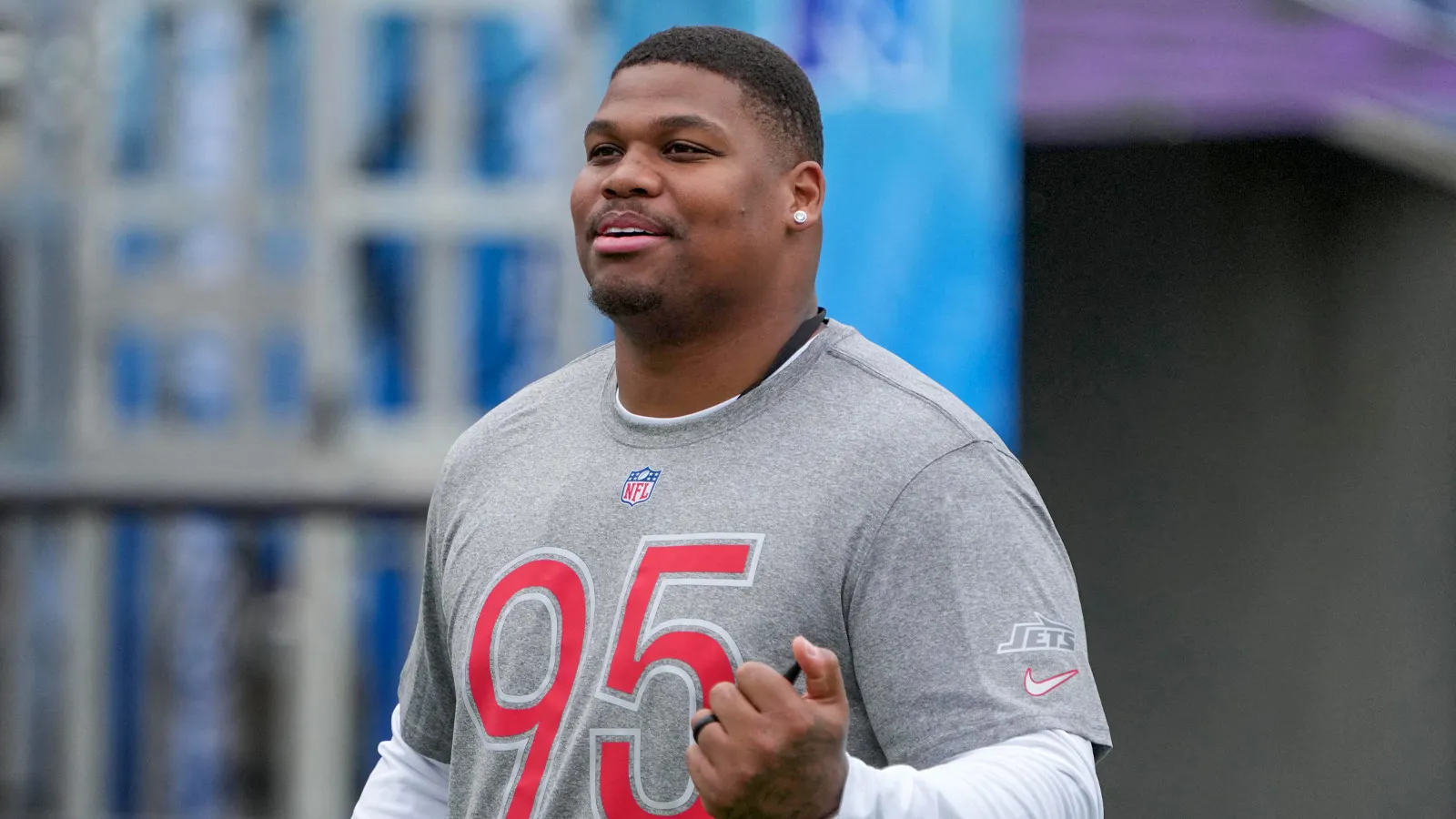
Quinnen Williams isn’t going anywhere. The Dallas Cowboys and their Pro Bowl defensive tackle agreed to terms on a three-year, $105.9 million extension, according to ESPN’s Jeremy Fowler and NFL Network’s Ian Rapoport, locking the 28-year-old in through the 2030 season. The deal makes him one of the highest-paid defensive linemen in football, and the Cowboys wasted no time confirming it.
Dallas officially announced the extension on the team’s website, ending months of speculation about whether the club would pay up to keep the player it acquired at last year’s trade deadline. It didn’t take long. Cowboys COO Stephen Jones had already signaled the front office’s intentions early in training camp, and this week they followed through.
“It’s a big part of all the moving parts that went with our trade last year,” Jones told DallasCowboys.com. “I think this kind of, at the end of the day, puts a bow on top.”
What Williams actually gets paid
The headline number is $105.9 million over three new years, an average of $35.3 million annually — the second-richest deal at the position behind only Philadelphia’s Jalen Carter, according to CBS Sports, which cited Over the Cap. But that top-line figure overstates what Dallas is actually on the hook for in practice.
NBC Sports’ Mike Florio broke down the structure in detail, and the guarantees tell a more complicated story than the average annual value suggests. Williams received a $31.85 million signing bonus. His 2026 pay includes a fully guaranteed $1.3 million base salary and a fully guaranteed $1 million per-game roster bonus. In 2027, he’s set to receive a fully guaranteed $26.355 million option bonus, plus a guaranteed base salary and another guaranteed roster bonus.
That’s $63.35 million locked in at signing — the most any defensive tackle in league history has received guaranteed at signing, per ESPN. By March 2027, another chunk of money vests, pushing his fully guaranteed total to roughly $93.15 million. The 2029 and 2030 seasons function more like team option years, with only a portion of 2029 pay guaranteed for injury at signing.
Add it all up and the practical five-year payout comes to $153.15 million — an average closer to $30.6 million per year, not $35.3 million. It’s a common trick in modern NFL contract construction: front-load the guarantees, back-load the team’s flexibility, and let the new-money average grab the headline while the real commitment is something else entirely.
Contract comparison at the position
| Player | Team | Average Annual Value |
|---|---|---|
| Jalen Carter | Eagles | $38.0 million |
| Quinnen Williams | Cowboys | $35.3 million |
| Jeffery Simmons | Titans | $35.27 million |
| Chris Jones | Chiefs | $31.75 million |
That table, sourced from ESPN’s reporting, places Williams as just the fourth interior defensive lineman ever to average north of $30 million a year.
Why Dallas moved now
The Cowboys gave up two high draft picks and defensive lineman Mazi Smith to pry Williams away from the Jets at last year’s trade deadline, betting that a player with four straight Pro Bowl appearances could anchor a defense that had collapsed. That bet paid off fast. Dallas’s run defense allowed 143 rushing yards per game before the trade and dropped that number to 105.8 per game over its final eight games with Williams in the lineup, NFL.com reported, with the Cowboys holding three separate opponents under 80 rushing yards down the stretch.
Locking him up before the 2026 season starts also gets ahead of a problem Dallas has run into before with star players approaching free agency. Williams’ previous contract, a four-year, $96 million extension signed with the Jets in 2023, still had guarantees that ran out after this season, according to CBS Sports. Rather than let him play into a walk year, the front office got out ahead of it — a departure, by multiple accounts, from how negotiations have typically unfolded under owner Jerry Jones.
What it means for the defense
Dallas ranked dead last in points allowed per game (30.1) and 30th in total yards allowed last season, per ClutchPoints‘ reporting on Jones’ comments. New defensive coordinator Christian Parker takes over this season after Matt Eberflus was fired following a year in which the Cowboys allowed the most points in franchise history. Keeping Williams as the interior anchor gives Parker at least one proven building block to work with as he tries to rebuild the unit from the front seven out.